



New conductive plastics are born
Jan 27,2025

As an indispensable material in modern society, plastics have excellent insulation properties. However, in the 1970s, scientists accidentally discovered that certain plastics also conduct electricity, a discovery that revolutionized the landscape of materials science and opened up new applications in electronic devices and energy storage.
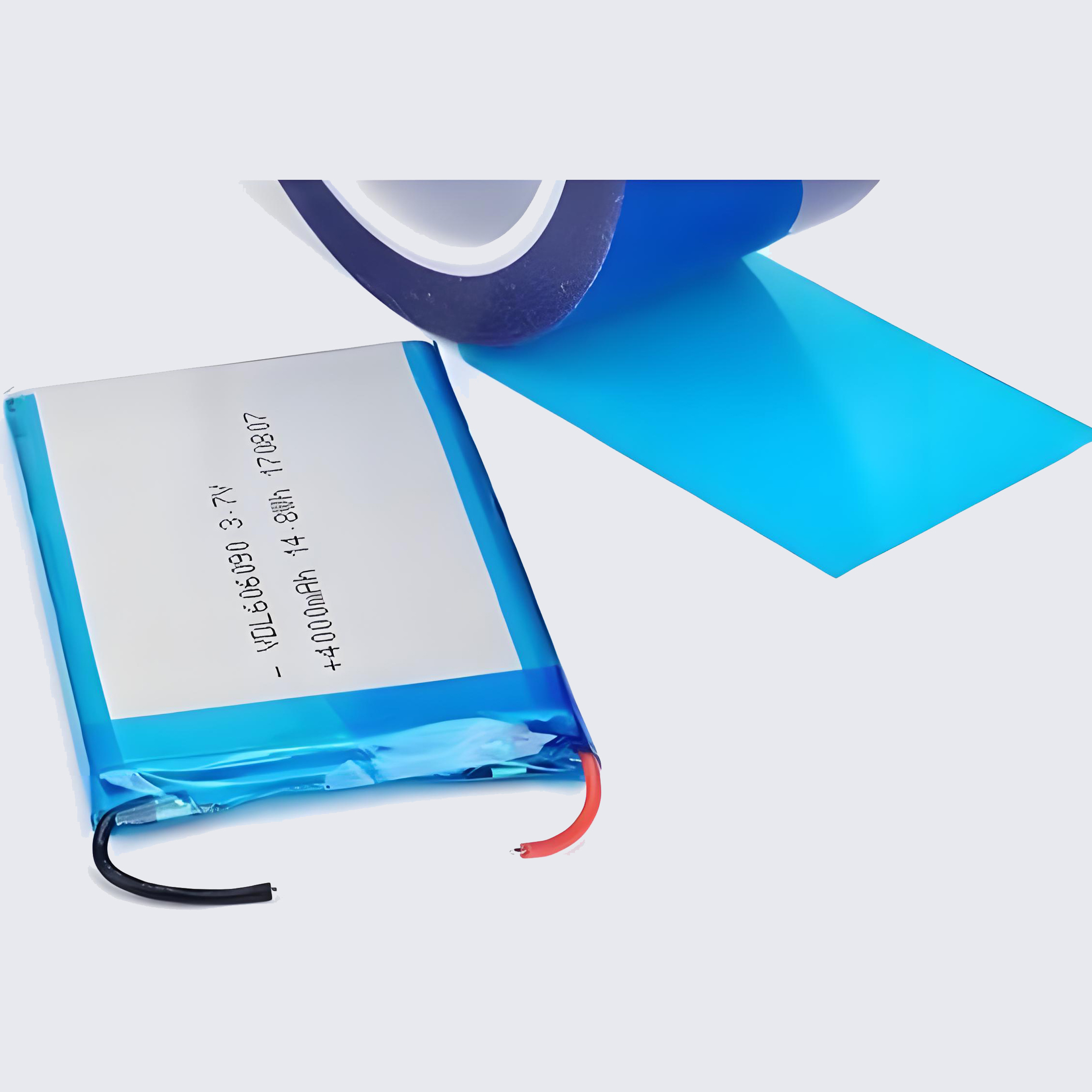
It is understood that poly (3, 4-ethylenedioxythiophene) (PEDOT) is one of the most widely used conductive plastics. PEDOT is a flexible, transparent film commonly used to protect photographic film and electronic components from static electricity, but is also used in touch screens, organic solar cells and electrochromic devices such as smart Windows. However, due to the limited conductivity and surface area of commercial PEDOT materials, their potential in the field of energy storage has been limited.
Using an innovative method, chemists at the University of California, Los Angeles (UCLA) have managed to control the morphology of PEDOT, allowing it to grow precise nanofiber structures. These nanofibers not only have excellent electrical conductivity, but also significantly increase the surface area of the material, which significantly boosts PEDOT's energy storage capabilities. The results are published in the journal Advanced Functional Materials.
Supercapacitors work very differently from batteries. Batteries store energy through slow chemical reactions, while supercapacitors store and release energy by accumulating electrical charges on the surface of a material. This mechanism allows supercapacitors to be charged and discharged extremely quickly, making it ideal for applications that require rapid energy release, such as kinetic energy recovery systems for hybrid and electric vehicles and camera flashes. Therefore, the development of supercapacitors with better performance is one of the important ways to reduce dependence on fossil fuels. However, the main challenge for supercapacitors is how to make materials with enough surface area to store large amounts of energy, and traditional PEDOT materials do not perform well in this regard.

The UCLA team successfully produced vertically aligned PEDOT nanofibers using a unique gas-phase growth process. These nanofibers are shaped like tall grass growing upward, significantly increasing the surface area of the material, allowing it to store more energy. Specifically, the researchers dripped a liquid containing graphene oxide nanosheets and ferric chloride onto a graphite sheet, and then exposed the sample to a vapor of PEDOT's precursor molecules. Unlike traditional PEDOT materials, which form thin, flat films, this new method allows the polymer to grow a thick, fluff-like structure with a large increase in surface area.
"The vertical growth properties of this material allowed us to make electrodes that store more energy than traditional PEDOT," explains Maher El-Kady, a materials scientist at UCLA and corresponding author of the study, "The charge is stored on the surface of the material, whereas traditional PEDOT films do not have enough surface area to store large amounts of charge." By increasing the surface area of PEDOT, we have significantly increased its capacity so that it can be used to make supercapacitors."

The experimental results showed that the new PEDOT material performed well on several key indicators, far exceeding expectations. It is 100 times more conductive than commercial PEDOT products, making it more efficient at charge storage. Even more remarkable, these PEDOT nanofibers have four times the electrochemically active surface area of conventional PEDOT. The increased surface area means that more energy can be stored in the same volume of material, significantly improving the performance of supercapacitors.
Thanks to this new process, the nanofiber layers grown on the graphene sheets have one of the highest charge storage capacities reported to date - more than 4,600 millifarads per square centimeter, almost ten times that of conventional PEDOT. In addition, the material also shows extremely high durability, able to withstand more than 70,000 charge and discharge cycles, far more than traditional materials. These breakthroughs pave the way for the development of faster, more efficient and durable supercapacitors, with significant implications for the renewable energy industry.
"Our electrodes demonstrated superior performance and durability, which suggests that graphene PEDOT has great potential for use in supercapacitors to help meet society's energy needs," said Richard Kaner, another corresponding author and UCLA Distinguished professor of Chemistry and Materials Science and Engineering. Kaner's research team has been working in the field of conductive polymers for over 37 years. During his PhD, he was involved in the discovery of conductive plastics by his supervisors Alan MacDiarmid and Alan Heeger, for which the latter was awarded a Nobel Prize.
Related News
Questions? Contact Us
Any questions? Get in touch. We'd love to hear from you.
Quick Link


Contact Info
Contact: Daphne Ho
MP/WA:+86-18924854433
Email:daphne@aochuanshun.com
Website:www.aochuanshun.com
Address: Building 12, ClMC, Xingtan, Shunde District, Foshan City, Guangdong Province, China
Copyright © Foshan AoChuanShun New Material Industrial Co., Ltd.